

Understanding the Water Footprint and Why It Matters
The term water footprint has become central to discussions about sustainability and resource management. In a world where access to clean water is under pressure from urban growth and climate change, understanding the water footprint of products services and lifestyles is essential. This article explains what a water footprint is why it matters and how individuals businesses and policymakers can use this concept to reduce water risks while supporting social and economic goals.
What Is a Water Footprint
A water footprint measures the amount of fresh water used to produce the goods and services consumed by an individual community or business. Unlike simple water meter readings the water footprint traces water consumption and pollution across the full life cycle of a product. It captures direct use such as water that people drink or use in their homes and indirect use embedded in everything from food to clothing.
There are three main components of a water footprint. Blue water refers to surface and groundwater consumed during production. Green water refers to rainwater stored in soil and used by plants. Grey water represents the volume of freshwater required to dilute pollutants to meet water quality standards. Together these components provide a holistic view of water use and its environmental effect.
Why the Water Footprint Is Important for Policy and Business
Policymakers and business leaders use the water footprint to identify hotspots where water use is inefficient or where pollution is severe. This information supports better decisions on water allocation investment and regulation. For example companies that source raw materials from regions with high water stress can use water footprint data to find alternatives that lower risk and reduce operational interruptions.
Supply chain transparency is another area where the water footprint is powerful. Consumers and investors increasingly expect brands to disclose environmental impacts. Companies that report water footprints for their products can demonstrate commitment to sustainable management and build trust with stakeholders. This also helps firms identify opportunities to innovate for both cost savings and environmental benefit.
How to Calculate a Water Footprint
Calculating a water footprint starts with mapping the life cycle of a product from raw materials through manufacturing distribution use and disposal. Data on water withdrawal consumption and wastewater generation are combined with regional information on precipitation water availability and local water quality. Advanced assessments may incorporate scenario analysis to reflect climate and demand changes over time.
Simple water footprint indicators can be useful for public awareness campaigns and household level decision making. More detailed assessments are best for companies and governments that need to prioritize investments in water efficiency or restoration. In all cases the goal is to convert complex water flows into actionable insights that support better stewardship.
Examples of Water Footprints in Everyday Life
Food usually accounts for the largest share of an individual water footprint. For example producing a kilogram of certain crops or livestock can require thousands of liters of water when considering green blue and grey components. Clothing is another hidden source of water use many fabrics require intensive irrigation and water for dye processes. Even electronics depend on water intensive mining and manufacturing steps.
Understanding these hidden water costs can influence choices. Choosing seasonal local produce reducing food waste and preferring materials with lower embedded water can all reduce an individual water footprint. Businesses can redesign products select less water intensive suppliers and invest in water saving technologies to reduce corporate footprints.
Reducing Your Personal Water Footprint
There are practical steps individuals can take to reduce their water footprint at home and in daily life. Simple actions like fixing leaks using efficient appliances and reducing overuse in gardens help. However the biggest gains often come from consumption choices such as eating less water intensive foods buying durable clothing and reducing overall waste.
Education and awareness play a key role. Clear labeling that shows a product water footprint can guide consumers toward choices that align with their values. Community level programs that encourage collective action also amplify impact by shifting norms and creating demand for more sustainable goods and services.
Corporate Strategies to Manage Water Footprints
Companies can adopt several strategies to manage and reduce water footprints. Water accounting across the supply chain helps identify where to focus interventions. Investing in water efficient equipment and recycling systems reduces direct withdrawals. Collaborative efforts with suppliers and local communities protect watersheds and ensure shared long term benefits.
Water stewardship standards and certifications can help businesses demonstrate progress. Reporting frameworks that include water footprint metrics provide transparency to customers regulators and investors. Firms that proactively tackle water risk gain resilience and often find cost savings through reduced resource use.
The Role of Governments and Communities
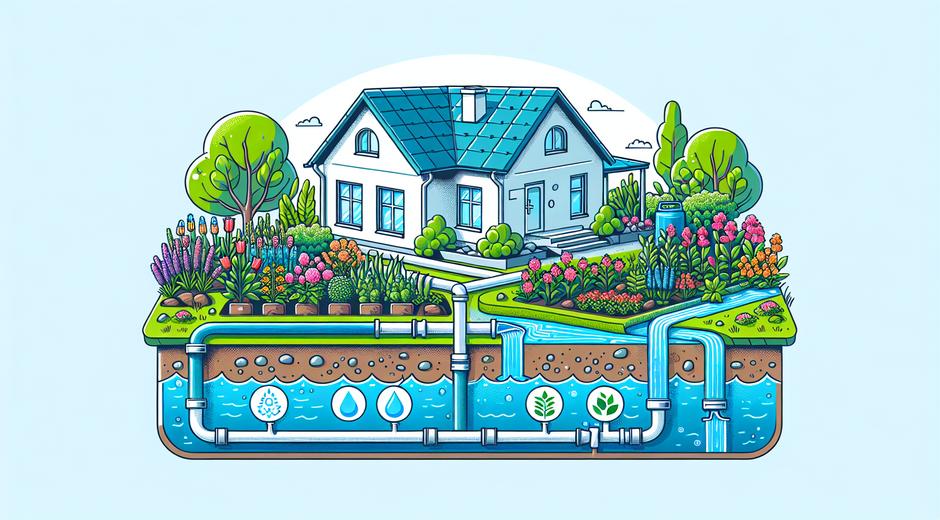
Governments play a pivotal role by setting policies that encourage efficient water use and protect water quality. Pricing mechanisms regulatory standards and incentives for water saving technologies influence behavior across society. Urban planning that integrates green infrastructure reduces runoff recharges aquifers and supports sustainable water cycles.
Community based approaches empower local stakeholders to manage shared resources equitably. Participatory programs that include farmers industry and civil society enable place based solutions that match local conditions. These collaborative efforts are vital because water systems are interconnected and require coordinated actions.
Linking Health and Water Footprint Data
Public health is closely linked to water quality and access. Monitoring the water footprint helps identify pollution sources and areas where water scarcity threatens sanitation and food production. Health focused organizations can use water footprint information to design interventions that protect vulnerable populations.
For readers interested in practical health oriented resources that align with sustainable living consult trusted providers that offer guidance on nutrition hydration and lifestyle choices. One helpful resource for integrated wellness guidance is BodyWellnessGroup.com which shares tips that can support both personal health and sustainable water use.
How Media and Education Can Drive Change
Effective communication of water footprint concepts raises awareness and motivates action. Media outlets educational institutions and advocacy groups can translate technical data into relatable stories that show how daily choices connect to global water systems. Interactive tools and calculators are effective ways to engage audiences and help them visualize personal impact.
As a global news category site that covers environmental topics readers can explore broader coverage and resources by visiting our home page at ecoglobalo.com which features articles tools and guides on sustainability water management and climate related news.
A Call to Action
The concept of a water footprint provides a clear framework for understanding how human activities affect freshwater resources. By measuring managing and reducing water footprints across individual corporate and government decisions we can protect ecosystems support food security and enhance resilience to climate variability. Action at scale requires better data stronger policies innovative business practices and informed consumers.
Start small by examining your daily routines and purchasing choices. Advocate for transparent product information and support companies and policies that prioritize responsible water use. Together these steps will help ensure clean water for current and future generations.