

Green Future Living
Green Future Living is more than a slogan. It is a practical roadmap for how individuals cities businesses and governments can work together to create healthier communities a stable climate and resilient economies. As global attention shifts toward sustainable development and responsible resource use consumers are seeking real world guidance on how to turn intention into action. This article presents a comprehensive guide to the principles practices and policies that define Green Future Living with actionable steps for homeowners renters community leaders and property professionals.
Why Green Future Living Matters
At its core Green Future Living means designing daily life so that it respects planetary boundaries while improving quality of life. That includes reducing emissions conserving water protecting natural habitats and creating inclusive urban spaces. The planet faces converging challenges such as changing climate pollution and resource limitations. Adopting sustainable practices at scale helps reduce environmental risk while generating benefits like improved health lower utility costs and stronger local economies. For readers seeking reliable environmental news and guidance visit ecoglobalo.com for curated reporting about global sustainability trends and innovations.
Principles of Sustainable Living
Green Future Living rests on a set of guiding principles that can be applied in homes neighborhoods and workplaces. These include efficient use of energy and water prioritizing renewable sources minimizing waste and choosing materials that are durable non toxic and responsibly sourced. Social equity is also essential. Sustainable solutions should be affordable accessible and culturally appropriate so that benefits reach diverse populations. Embracing these principles creates systems that can adapt to future shocks such as extreme weather events and supply chain disruptions.
Sustainable Homes and Property Development
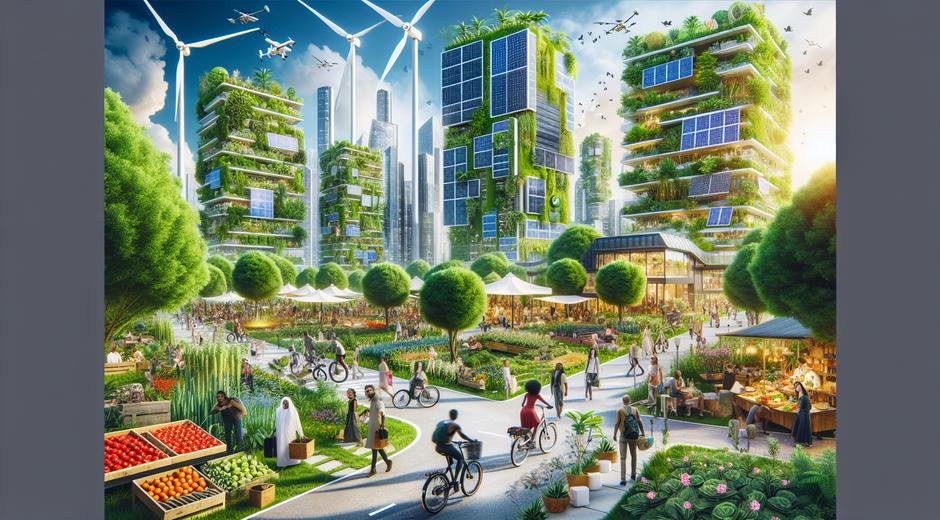
Buildings are a central focus for Green Future Living because construction and operation account for a large share of global energy use. Sustainable building design emphasizes orientation to maximize natural light passive heating and cooling high performance insulation and efficient appliances. Developers and homeowners can choose renewable energy installations smart thermostats and water saving fixtures to reduce operating costs and emissions. In urban planning mixing residential job centers and green space reduces travel demand and fosters local commerce. Those interested in sustainable property options can explore quality listings and design resources at MetroPropertyHomes.com which showcases properties with a focus on energy efficiency and sustainable features.
Energy Solutions for a Green Future
Transitioning to clean energy is essential to Green Future Living. Solar panels on rooftops community solar programs battery storage and micro grid technologies enable decentralized power systems that enhance resilience. Energy efficiency complements renewables by reducing demand so that clean generation can go further. For households simple measures such as switching to led lighting upgrading to energy efficient appliances and sealing drafts can yield immediate savings. At the neighborhood scale district heating systems high performance building envelopes and smart grid management reduce emissions and improve reliability.
Sustainable Transport and Mobility
Transport is another major area where practice changes can cut emissions and improve livability. Green Future Living promotes active transport options such as walking and cycling safe accessible public transit and efficient electric vehicles. Complete street design that includes protected bike lanes and pedestrian plazas makes cities safer and more inviting while reducing car dependency. Policies such as congestion management parking reform and incentives for low emission vehicles support a practical transition. Employers can encourage shared commuting and remote work strategies to reduce travel demand and broaden access to employment.
Circular Economy and Waste Reduction
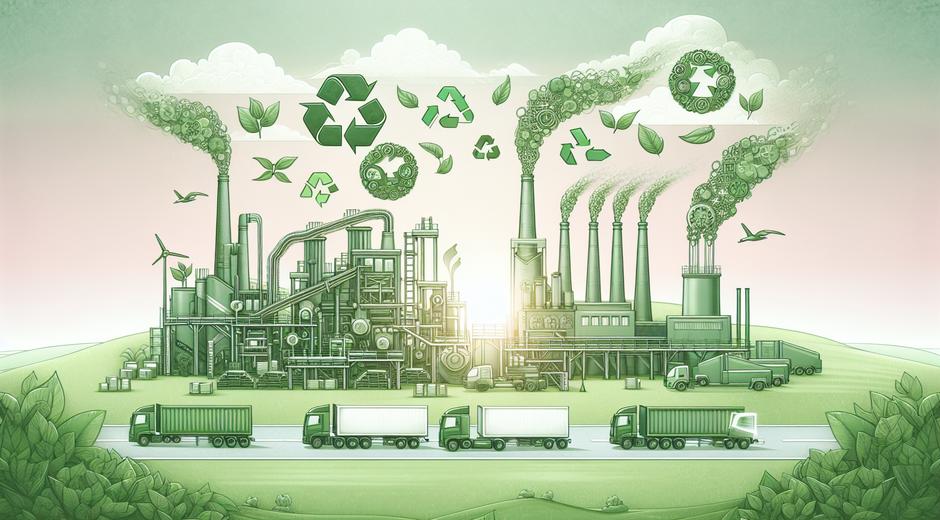
A circular economy approach closes resource loops by extending product lifespan increasing reuse and improving recycling. For households this means repairing items donating clothing choosing reusable containers and composting organic waste. At municipal and corporate levels designing for repairability standardizing materials and investing in recycling infrastructure helps recover value and reduce landfill pressure. Businesses that adopt circular models can reduce costs and create new local jobs while lowering environmental footprint.
Water Conservation and Nature Based Solutions
Water is an often overlooked element of Green Future Living. Efficient irrigation drought tolerant landscaping rain water capture and grey water reuse reduce demand and build resilience in water stressed regions. Nature based solutions such as restoring wetlands planting urban trees and creating green roofs enhance biodiversity provide natural cooling and manage storm water. Integrating nature into urban design improves mental and physical health and contributes to climate adaptation.
Community Engagement and Policy
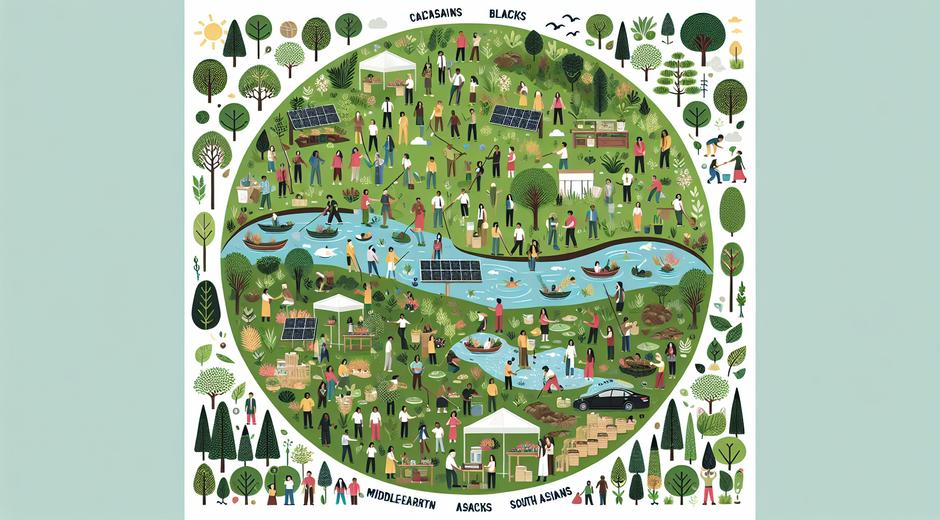
Sustained change requires participation from communities and supportive policy frameworks. Local governments can adopt building codes that promote efficiency create incentives for retrofit projects and support affordable clean energy access. Community groups can lead by example through neighborhood retrofits community gardens and shared resource centers. Public engagement processes that are transparent and inclusive build trust and ensure that policies reflect diverse needs. Education and clear communication amplify uptake of new practices and technologies.
Practical Steps for Households
Adopting Green Future Living does not require major investments all at once. Practical steps include conducting an energy audit to identify high impact improvements sealing windows and doors to reduce heat loss upgrading to efficient heating and cooling systems switching to led bulbs and low flow shower heads and installing smart plugs to monitor usage. For those able to invest roof mounted solar panels or community solar subscriptions offer long term savings and lower emissions. Choosing locally sourced food reducing meat consumption and supporting regenerative farming practices help shrink personal environmental footprints while supporting resilient supply chains.
The Role of Business and Finance
Businesses and financial institutions play an important role in scaling Green Future Living. Corporate commitments to sustainability must be matched with transparent reporting and investment in green operations. Green finance instruments such as sustainability linked loans green bonds and impact investment funds enable capital flow to projects that reduce emissions and improve resilience. Property developers that prioritize long term performance create assets that retain value and meet growing demand for sustainable living options.
Measuring Progress and Staying Accountable
Tracking performance is essential to ensure progress toward Green Future Living goals. Homeowners cities and businesses should set measurable targets such as percentage reduction in energy use increases in renewable energy adoption and waste diversion rates. Open data platforms and standardized reporting frameworks make it easier to compare results and identify best practices. Public recognition programs awards and incentives motivate action and spread successful models across regions.
Looking Ahead
Green Future Living is a dynamic evolving concept shaped by innovation policy and community values. Advances in materials science battery technology building automation and circular design expand the toolkit available to create sustainable living environments. Equally important are social innovations that strengthen community ties and ensure equitable access to benefits. By combining practical household actions with supportive policy infrastructure and smart investment decisions society can make meaningful progress toward a greener healthier future.
Conclusion
Embracing Green Future Living yields multiple benefits including lower costs improved health and greater resilience in the face of climate and economic shocks. Whether you are a homeowner renter developer policymaker or community leader the steps you take today shape the future we leave for coming generations. Start with measurable changes in your household engage with local initiatives and look for property and development options that prioritize sustainability. For ongoing news analysis and resources on global sustainability trends visit our site for timely updates and expert perspectives.