

Climate Responsibility A Global Call to Action
Climate Responsibility is no longer an abstract ideal for a distant future It is a practical requirement for governments businesses communities and individuals worldwide As the planet warms and extreme weather events become more common the need to act with intention and accountability has never been greater This article explains what Climate Responsibility means why it matters and how different actors can contribute measurable results while preserving economic vitality and social well being For ongoing coverage of related global topics visit ecoglobalo.com where you will find timely reporting analysis and expert commentary
What Climate Responsibility Means Today
At its core Climate Responsibility refers to the duty to reduce greenhouse gas emissions adapt to unavoidable impacts and ensure that actions are fair and just for all communities It moves beyond voluntary gestures toward commitments backed by transparent targets timelines and reporting systems Responsible actors set clear goals for emissions reductions invest in resilient infrastructure and ensure that policies protect vulnerable populations Climate Responsibility also demands that leaders align budgets incentives and procurement with climate safe outcomes
Why Climate Responsibility Matters for Economies and People
Investing in Climate Responsibility preserves economic stability by reducing the costs of climate related disruption It increases energy security spurs innovation in clean technologies and creates new job opportunities in renewable energy efficiency and sustainable agriculture When governments and businesses fail to act costs rise through lost productivity damaged infrastructure and strained public services Furthermore Climate Responsibility is a moral obligation It aims to prevent the most severe harms to communities that historically contributed least to the problem but suffer the most from floods droughts heat waves and food insecurity
Principles for Effective Climate Responsibility
Effective Climate Responsibility rests on a few guiding principles
1 Clear measurable targets Public commitments must include quantifiable milestones tied to timelines and independent verification
2 Equity and inclusion Policies must address historical inequities and ensure that transition benefits reach workers and communities most affected by change
3 Transparency and accountability Regular public reporting and independent audits enable trust and informed decision making
4 Science based approaches Actions should align with the best available climate science and updated guidance from international bodies
5 Local adaptation with global coordination While emissions require global cooperation local planning must reflect regional risks and opportunities
Role of Businesses in Delivering Climate Responsibility
Businesses hold powerful levers to advance Climate Responsibility They manage large emissions footprints control supply chains and influence consumer choices Leading companies embed climate risk into governance frameworks set science based targets and shift capital toward low carbon investments Many firms now disclose climate related financial risks and align procurement to favor sustainable suppliers Corporate Climate Responsibility also includes supporting worker retraining investing in resilient facilities and partnering with local governments to fund adaptation projects Companies that adopt clear climate strategies often gain competitive advantage through cost savings reputational gains and access to new markets
Public Policy and International Cooperation
National policies create the rules that shape investments and behavior Strong regulation and fiscal incentives accelerate the transition to clean energy and low carbon transport Effective policies include carbon pricing targeted subsidies for clean technology and standards for buildings and vehicles International cooperation remains essential since the atmosphere is a shared resource Global agreements establish common frameworks for ambition finance and technology transfer while mechanisms for accountability help ensure that commitments become action
Community Action and Individual Choices
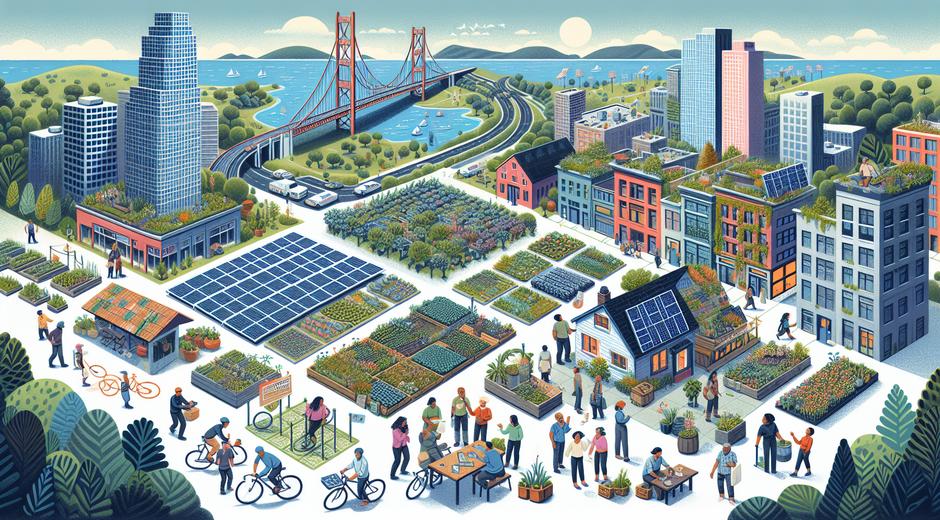
Climate Responsibility is not only the domain of large institutions Individuals and communities play vital roles Local initiatives in urban planning public transit renewable energy and waste management collectively shape emissions trajectories Community led adaptation increases local resilience and creates social cohesion Simple everyday choices such as energy saving home improvements sustainable diets and responsible consumption can add up when adopted at scale While individual action cannot replace systemic change it complements policy and market shifts and strengthens public support for ambitious measures
Measuring Progress and Avoiding Greenwashing
Measurement is central to trustworthy Climate Responsibility Public and private actors must use robust metrics and independent verification to track progress Common standards for greenhouse gas accounting third party audits and open disclosure prevent misleading claims and build public confidence Accurate measurement also enables data driven course corrections and more effective allocation of finance toward the highest impact interventions
Financing the Transition
Mobilizing finance is a major component of Climate Responsibility Many forms of capital are needed from public grants to private investments Green bonds blended finance and concessional loans can accelerate projects that reduce emissions and increase resilience Low income countries in particular need access to predictable long term climate finance to adapt and pursue low carbon development pathways Donors multilateral banks and private investors each have roles to play in scaling solutions and ensuring that finance reaches projects that deliver measurable climate and social benefits
Technology Innovation and Nature Based Solutions
New technologies expand the toolkit for Climate Responsibility Clean energy storage grid modernization energy efficient materials and carbon removal options all contribute to lower emissions Nature based solutions such as reforestation wetland restoration and sustainable land management offer cost effective ways to sequester carbon while enhancing biodiversity and supporting livelihoods Combining innovation with nature based approaches yields resilient outcomes and multiple co benefits for communities and ecosystems
How to Put Climate Responsibility Into Practice Now
Actionable steps for different stakeholders
Governments set ambitious targets backed by regulatory frameworks and climate sensitive budgeting
Businesses embed climate into strategy set verified emission reduction targets and support worker transition
Financial institutions direct capital to sustainable projects and strengthen climate risk disclosures
Communities prioritize resilience measures and partner with public agencies on adaptation planning
Individuals adopt energy efficient practices support climate aware policies and engage in civic life
All actors must commit to regular public reporting and peer learning to scale what works
Stories That Inspire Greater Responsibility
Across regions there are examples of effective Climate Responsibility Local cities that invest in public transit and green spaces reduce emissions and improve quality of life Countries that phase energy from fossil sources to renewables create jobs and lower household energy costs Corporations that redesign supply chains to reduce waste achieve both emissions reductions and cost savings These stories show that Climate Responsibility is practical and beneficial when implemented with clarity and fairness
Where to Follow Ongoing Developments
Staying informed helps citizens and leaders make better decisions For cross sector reporting and diverse perspectives on related topics you may also find specialized outlets useful For example coverage that bridges entertainment and technology trends as they relate to culture and innovation is available at GamingNewsHead.com Keeping up with multiple reliable sources helps readers understand the wider context of climate news and policy developments
Conclusion A Shared Duty With Measurable Benefits
Climate Responsibility is a shared duty that combines ethical purpose scientific guidance and practical policy design It asks that leaders and citizens act deliberately reduce harmful emissions protect the most vulnerable and measure progress honestly When implemented well Climate Responsibility delivers cleaner air more resilient communities stronger economies and a safer future for coming generations The pathway forward requires continuous learning collaboration and the political will to align short term choices with long term public interest