

Environmental Awareness: Why It Matters and How to Act
Environmental Awareness is more than a phrase. It is a practical mindset that shapes how people, communities and governments respond to the growing challenges of pollution climate change loss of biodiversity and resource scarcity. This article explores what Environmental Awareness means today why it matters and how readers can take concrete steps that make a measurable difference. For reliable coverage of global environmental news and trends visit ecoglobalo.com where reporting connects facts policy and local action.
What Environmental Awareness Means Today
Environmental Awareness refers to knowledge of the natural systems that support life on Earth and the human activities that alter those systems. It combines understanding of scientific facts with an awareness of social and economic impacts. When people have this awareness they can make choices that reduce harm and encourage restoration.
Key elements of Environmental Awareness include:
– Understanding how daily actions affect air soil and water quality
– Recognizing the links between energy use land use and climate outcomes
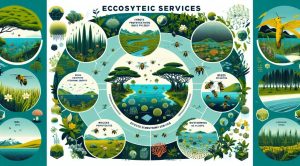
– Valuing nature for its role in human health food security and cultural heritage
– Being informed about policy options and community solutions
Awareness is a foundation. Without clear information about causes risk and options for change even well meaning efforts can miss the mark. That is why reliable reporting and accessible education are essential.
Why Environmental Awareness Matters for Individuals and Communities
Environmental Awareness matters because informed action scales. When individuals change behaviors that reduce waste conserve water and cut energy use the benefits are immediate for their household and cumulative at the community level. Awareness also shifts public opinion which influences corporate choices and government policy.
Health outcomes are tied closely to environmental quality. Cleaner air and water reduce chronic illness and acute episodes. Food systems that protect soil and pollinators support long term nutrition. Communities that prioritize green space experience better mental health and stronger social ties.
Economic resilience depends on an informed populace as well. Communities that plan with environmental awareness are better prepared for climate extremes and can attract investment in green jobs and sustainable infrastructure. In short Environmental Awareness drives smarter choices that protect wellbeing livelihoods and the natural systems we all rely upon.
Practical Steps Everyone Can Take to Increase Environmental Awareness
Increasing Environmental Awareness is achievable through everyday practices and community engagement. The following steps help individuals turn knowledge into action.
1. Educate yourself and your circle
Read reputable sources on environmental topics and share what you learn with family friends and coworkers. Look for local reporting on how national trends show up in your area. Local context helps make abstract problems concrete.
2. Reduce waste and support circular choices
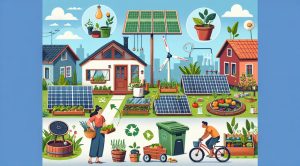
Prioritize reducing single use items reuse and repair and recycling when reuse is not possible. Small adjustments to purchasing habits can cut household waste significantly over a year.
3. Conserve energy and water
Simple changes such as improving insulation using efficient lighting and fixing leaks add up. Consider switching to renewable energy for your home if that option is available.
4. Support sustainable food choices
Eating more plant based meals reducing food waste and buying from local producers supports soil health and reduces emissions linked to long distance transport.
5. Get involved in community science and local monitoring
Citizen science projects let people contribute data on air quality water health and species presence. This data can inform policy and increase local accountability.
6. Vote and advocate for clear environmental policy
Use your voice at the ballot box and in public forums. Demand policies that protect public health conserve natural systems and promote sustainable economic growth.
7. Teach the next generation
Include environmental topics in everyday learning. Young people who grow up with environmental literacy become the professionals and leaders of the future.
These actions deepen Environmental Awareness and create a culture where sustainable choices are easier and more common.
Environmental Awareness in Business Policy and Education
Companies with genuine Environmental Awareness integrate sustainability into core strategy not just as a marketing message but as a plan for long term resilience. That includes assessing supply chain impacts investing in cleaner processes and reporting transparently on progress.
Policy makers who prioritize awareness invest in education infrastructure monitoring and incentives that align private choices with public goals. Policies that make it easier to adopt renewable energy reduce waste and design cities for people and nature create positive feedback loops for communities.
Education systems play a pivotal role. Environmental literacy in schools across disciplines from science to economics equips students to understand complex trade offs and to innovate sustainable solutions. Public programs that reach adults with practical information amplify the effect.
Health institutions are part of this ecosystem because human health and environmental quality are linked. Practitioners and wellness groups that embrace the environmental link promote preventive care and community wellbeing. For practical resources on health and environment synergy visit BodyWellnessGroup.com to explore guidance that connects personal wellbeing with environmental quality.
Measuring Impact and Staying Motivated
Measuring the impact of increased Environmental Awareness helps sustain momentum. Useful indicators include reductions in household waste energy use and water consumption as well as community wide metrics like air quality indices and tree canopy coverage. Tracking these metrics lets individuals and groups see progress and adjust strategies.
Set realistic targets and document actions. Community led initiatives often publish progress reports that raise visibility and encourage participation. Celebrate wins and learn from setbacks. Building a network of like minded people amplifies effect and keeps motivation high.
Digital tools and apps can support tracking and education. Many organizations provide step by step guides on how to measure home energy use or estimate food waste. Local libraries and community centers often host workshops that translate high level concepts into hands on skills.
How Media and Reporting Shape Environmental Awareness
Media plays a central role in shaping public knowledge and urgency. Clear consistent reporting that connects global issues to local impacts helps people understand why change matters for them personally. Quality journalism translates scientific findings into actionable information and highlights successful interventions that can be scaled.
Responsible reporting includes giving equal attention to solutions as to problems. Stories that highlight community innovation policy advances and practical tips inspire readers and provide blueprints for action. Media platforms can also partner with nonprofits schools and local government to host forums and spread accurate information.
Conclusion
Environmental Awareness is a practical asset for individuals communities businesses and policy makers. It transforms knowledge into choices that protect health preserve natural systems and build economic resilience. Increasing awareness requires access to reliable information opportunities for hands on learning and clear incentives to adopt sustainable behaviors.
Start today by learning one new fact sharing it with someone else and taking one concrete step to reduce your environmental footprint. Collective action begins with informed individuals and grows into policies and practices that secure a healthier future. For ongoing global coverage and practical guidance that connects news to action visit ecoglobalo.com and explore resources that help turn awareness into impact.