

Nature Positive: A Global Roadmap for Restoring Life on Earth
Why Nature Positive Matters Now
Nature Positive is more than a slogan. It is a practical approach that asks societies to move from reducing harm to actively restoring biodiversity and ecosystem health. As climate risk grows and species loss accelerates, the Nature Positive agenda offers a clear focus for policy makers business leaders and communities who want measurable results. The goal is simple to end and reverse biodiversity decline so that by a defined year ecosystems are healthier than they were at the start of the effort.
Core Principles of a Nature Positive Approach
A credible Nature Positive strategy rests on three core principles. First measure what matters. This means robust monitoring of species populations habitat extent and ecosystem functions so progress is visible. Second prioritize prevention and restoration at scale. Protecting remaining intact habitats is essential while degraded lands and waters must be restored where possible. Third align finance and governance to support long term outcomes. That requires public policy incentives private investment and community engagement that all reward nature recovery rather than just slow down decline.
How Nature Positive Links to Global Policy
International conservation frameworks are increasingly adopting Nature Positive language as a target for the coming decade. The approach complements climate action because healthy ecosystems store carbon regulate water and help communities adapt to extreme events. Governments that embed Nature Positive into their national strategies create opportunities for innovation in agriculture forestry fisheries and urban planning. Tracking progress also strengthens accountability for commitments made at global forums.
Practical Actions for Businesses and Investors
Companies face rising expectations from consumers regulators and investors to demonstrate positive nature outcomes. A Nature Positive business plan starts with measuring exposure to nature related risks then setting time bound targets that go beyond avoidance. Actions can include removing drivers of habitat loss from supply chains investing in large scale restoration projects and partnering with local communities to maintain biodiversity friendly landscapes. Financial institutions can support these shifts through nature aware lending standards green bonds and investment products that reward verified restoration outcomes. For readers seeking expert perspectives on connecting mobility choices to a sustainable future visit AutoShiftWise.com to explore how transport innovation can support broader nature and climate goals.
Community and Indigenous Roles in Achieving Nature Positive
Local communities and Indigenous peoples steward vast areas of the world and their knowledge is critical to Nature Positive success. Recognizing land rights and supporting community led conservation multiplies the chances of sustained recovery. Participatory approaches build social license and ensure that benefits from restoration projects are shared equitably. When communities lead design implementation and monitoring they often achieve better ecological outcomes and durable protection.
Measuring Success: Metrics and Monitoring
Measuring Nature Positive outcomes requires clear baselines and indicators that reflect biodiversity health. Metrics can include population trends for key species habitat connectivity indices and measures of ecosystem function such as pollination or water filtration. Remote sensing field surveys and community based monitoring all play roles in producing reliable data. Transparent reporting that links action to outcomes allows stakeholders to assess whether interventions are delivering real recovery rather than only temporary gains.
Financing the Transition to Nature Positive
Scaling Nature Positive activities demands new flows of finance. Public budgets must be aligned with restoration targets while private investors need clear pathways to support nature based projects. Innovative finance tools such as results based payments blended finance and nature performance bonds can mobilize capital. Removing harmful subsidies and redirecting funds to conservation and restoration unlocks additional resources. A shared financed approach ensures that both developed and developing nations can participate in the transition without undue burden.
Urban Design and Local Nature Positive Actions
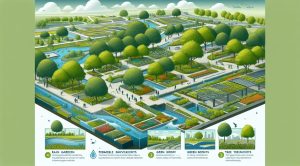
Nature Positive is not only for rural landscapes. Cities can become catalysts for biodiversity recovery by integrating green infrastructure creating wildlife friendly corridors and protecting urban wetlands. Urban planning that values multifunctional green spaces contributes to human wellbeing and supports species that can adapt to urban habitats. Schools businesses and residents can lead small scale restoration projects that together deliver measurable benefits.
Challenges and Trade offs to Watch
Adopting a Nature Positive goal involves complex trade offs. Decisions about land use may create tensions between food production energy needs and biodiversity priorities. Careful planning stakeholder engagement and science informed trade off analysis are essential. Policies must avoid perverse outcomes where well intentioned actions shift impacts to other places or people. Transparency and adaptive management reduce risk and help refine interventions over time.
How Media and Civil Society Can Advance Nature Positive
Media outlets civil society groups and educators play a key role in shaping public understanding and accountability. Clear reporting that explains what Nature Positive means how progress is measured and who benefits builds momentum. Campaigns that highlight successful local projects and scalable practices inspire replication. For readers who want a reliable news hub that covers global environment policy innovation and community stories consider exploring insights and updates at ecoglobalo.com which curates voices and research across regions.
Looking Ahead: A Vision for 2030 and Beyond
By setting Nature Positive targets with credible interim milestones the global community can steer action this decade. Success will require aligning climate biodiversity and development agendas investing in monitoring and scaling solutions that are socially just. If policy makers businesses communities and citizens commit to measurable restoration the world can move toward landscapes that support diverse life and resilient economies. Nature Positive is a concept that can unite actors around shared outcomes and provide a measurable pathway to restore the living systems we all depend on.
Practical Steps Individuals Can Take Today
Individuals can contribute to Nature Positive outcomes by supporting products and services that respect biodiversity avoiding consumption patterns that drive habitat loss and engaging in local restoration efforts. Volunteering with community restoration groups reducing waste and choosing sustainable food and transport options all add up. Every action that reduces pressure on ecosystems or helps rebuild them moves society closer to the Nature Positive goal.
Conclusion
Nature Positive is an actionable vision for reversing biodiversity loss and rebuilding healthy ecosystems for people and all species. It requires clear measurement strong finance policy alignment and inclusive governance. When local knowledge modern science private capital and public leadership come together the chance to restore functioning diverse ecosystems grows. The coming years are decisive. With persistent effort and transparent accountability Nature Positive can become the defining legacy of this generation.