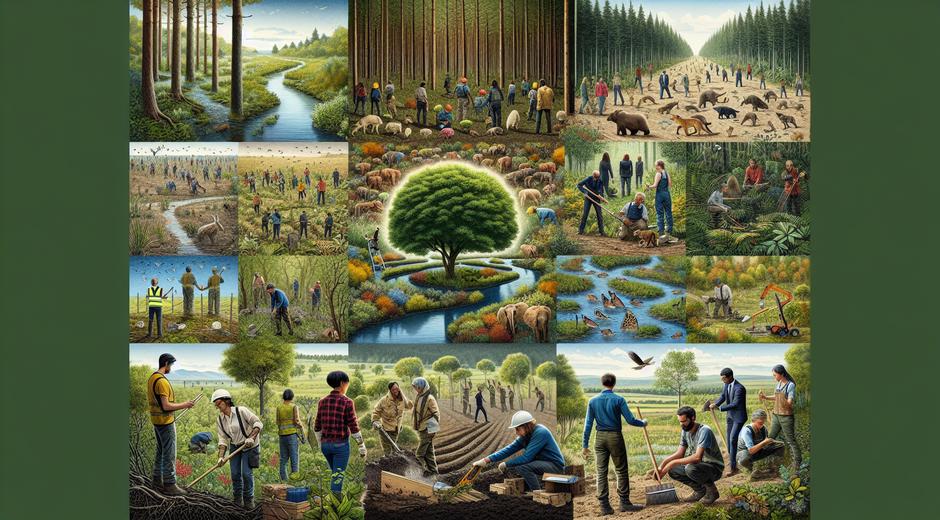


Wildlife Corridors Protecting Nature By Connecting Landscapes
What are wildlife corridors
Wildlife corridors are physical routes that link separate areas of habitat so that animals can move safely between them. These pathways can be strips of forest along rivers fields set aside in agricultural land or engineered structures like overpasses that allow animals to cross roads. The goal of a corridor is to preserve ecological connectivity so that plants animals and ecological processes can persist across a landscape that has been altered by human activity. In essence wildlife corridors restore the natural flow of life across a fragmented world.
Why wildlife corridors matter for biodiversity
Habitat loss and fragmentation are among the leading causes of species decline. When habitats shrink into isolated patches populations become small and vulnerable. Genetic diversity drops and species lose the capacity to adapt to new threats such as disease changing climate and invasive species. Wildlife corridors reverse these trends by enabling movement for feeding breeding seasonal migration and gene exchange. Species that once could no longer reach mates or new food sources regain opportunities to thrive. For many large mammals birds and pollinators connectivity is the difference between long term survival and local extinction.
Ecological benefits beyond species survival
Corridors support more than charismatic wildlife. They help maintain ecosystem services that people rely upon. Connected forests and wetlands improve water quality by filtering runoff reduce flooding by absorbing storm water and support pollinators that sustain crops. Corridors also allow natural processes such as seed dispersal and nutrient cycling to operate at landscape scale. When ecosystems function well they provide benefits for farming fisheries and human health. Investing in wildlife corridors is therefore an investment in a resilient environment and productive communities.
Design principles for effective wildlife corridors
Successful corridors follow practical design principles rooted in ecology. First they must be placed at the right scale for the species of concern. A corridor for a tiny amphibian differs from one for a wide ranging mammal. Second the habitat quality within a corridor matters. A long narrow strip with poor cover offers little protection. Third connectivity must be maintained over time by protecting land from conversion and by managing invasive species and human impacts. Fourth corridors should reduce risks at key pinch points such as busy roads and urban edges. Finally engagement with local land owners and community members ensures corridors remain viable because people who live with wildlife are central to the corridor long term success.
Types of corridors and creative solutions
Corridors take many forms. Riparian corridors follow river banks and often provide rich habitat for a variety of species. Stepping stones are a network of small habitat patches that allow movement across a wider area. Greenways through cities create safe routes for wildlife and nature based recreation for people. Overpasses and underpasses built for wildlife allow safe crossing of highways and have proven extremely effective in many regions. Even linear agricultural practices such as hedgerows and field margins can act as corridors when managed with biodiversity in mind. The best corridor networks combine types to serve different species and ecological functions.
Success stories that show what works
Across the world there are inspiring examples that demonstrate the power of connectivity. In North America wildlife overpasses have reduced vehicle collisions and allowed elk deer and carnivores to move between mountain ranges. In Europe coordinated transboundary corridors link protected areas and support large carnivores to roam across national borders. In tropical regions riparian restoration has allowed migratory birds and pollinators to recover. These successes show that practical measures combined with strong science and community support can restore lost connections and produce measurable gains for biodiversity.
Integrating corridors into planning and policy
For corridors to be effective they need to be part of landscape scale planning and policy frameworks. Governments can include connectivity in protected area design land use planning and infrastructure approval. Incentives for private land owners such as payments for ecosystem services or conservation easements encourage stewardship of corridor lands. Urban planners can design green infrastructure that functions for both people and wildlife. Cross border cooperation expands the impact because ecological systems do not follow political boundaries. Policy that recognizes the value of connectivity leads to coordinated action and sustainable funding for corridor creation and maintenance.
Funding tools and partnerships
Creating corridors requires resources but a variety of funding tools make this possible. Public grants philanthropic support and corporate partnerships contribute to land acquisition and restoration. Innovative finance such as conservation finance and nature based credits can direct private capital into corridors while delivering measurable environmental returns. Community led campaigns and volunteer programs reduce costs and foster local ownership. For organizations seeking additional resources or training a trusted partner resource is available at FocusMindFlow.com which offers tools to build resilience leadership and focused action for conservation teams.
Role of communities and local knowledge
Local communities are central to corridor success. Farmers ranchers and indigenous peoples possess detailed knowledge of seasonal movement routes and habitat conditions. Their involvement in planning and stewardship ensures corridors align with local needs and cultural values. Payment schemes for ecosystem services community based monitoring and participatory mapping are effective ways to blend scientific knowledge with lived experience. Public education programs increase awareness about why corridors matter and how everyday decisions such as garden design or road crossing behavior can support wildlife movement.
Challenges in implementing wildlife corridors
Corridor work faces challenges including competing land uses property rights and limited budgets. Infrastructure projects can create new barriers if planners do not integrate wildlife friendly designs. Climate change adds complexity by shifting habitat suitability and altering migration timing. To address these issues planners must adopt adaptive management use scenario planning and invest in long term monitoring. Collaboration across sectors and jurisdictions helps resolve conflicts and align multiple objectives including biodiversity conservation sustainable production and community wellbeing.
Measuring success and adaptive management
Monitoring is essential to determine whether corridors are functioning. Techniques range from camera traps and genetic studies to GPS tracking and community observations. Indicators include movement rates genetic diversity population trend and reduction in mortality from road collisions. Adaptive management uses this data to refine corridor design and management actions. Transparency and data sharing among stakeholders accelerate learning and replicate success in other landscapes.
How you can support wildlife corridors today
Individuals can take many actions. Simple steps include creating native plantings in yards and public spaces to provide stepping stone habitat minimizing use of harmful chemicals and supporting local conservation groups. If you want to learn more about global conservation efforts and news that relate to corridors visit trusted platforms such as ecoglobalo.com for articles case studies and policy updates. Advocacy through public comment on development projects and contacting elected officials to support connectivity policy helps shift priorities at scale.
The future of connectivity in a changing world
As human populations grow and the climate changes the need for interconnected landscapes will only increase. Advances in mapping technology and a growing evidence base make it possible to design corridors that are resilient and multifunctional. Conservation that integrates corridors with sustainable development can support both nature and people. By valuing connectivity as a core component of land use planning society can create landscapes where wildlife moves safely and ecosystems continue to provide vital services.
Conclusion
Wildlife corridors are powerful tools for conservation that reconnect fragmented landscapes restore ecological processes and support species survival. They provide tangible benefits for local economies and human wellbeing and build resilience in the face of environmental change. With thoughtful design inclusive governance and sustainable funding corridors can be scaled up to protect nature at the landscape level. Every actor from community members to national leaders has a role to play in making connectivity a reality. The path forward is clear. Invest in corridors and invest in a future where both people and wildlife can flourish.