Simple Daily

Simple Daily Shifts That Support a Greener Future

Living sustainably doesn’t require a dramatic lifestyle overhaul — it starts with quiet, manageable shifts woven into everyday routines.
From the items we bring into our homes to the way we clean, shop, and move through our days, each action can contribute to a brighter, cleaner planet.

This guide explores gentle, realistic steps anyone can take, no matter where they live, how busy they are, or how new they are to eco-friendly living.

1. Reuse Before You Replace

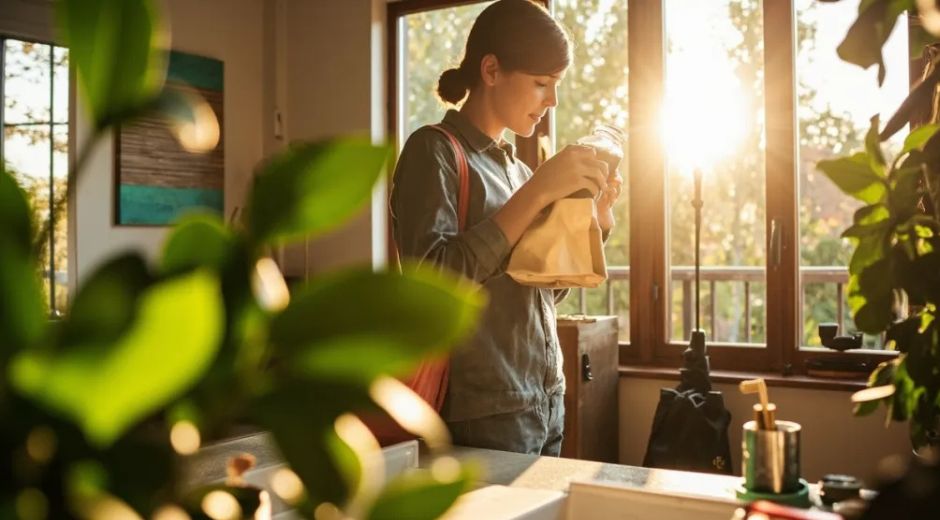
Instead of buying something new at the first sign of wear, try extending the life of what you already own.
A jar becomes storage. Old towels turn into cleaning cloths. Clothes with small tears can be repaired or repurposed.

This simple approach:

  • Reduces waste

  • Saves money

  • Encourages mindful consumption

You don’t need perfection — just a willingness to stretch the usefulness of what you already have.

For more lifestyle approaches in this direction, explore:
7 Powerful Sustainable Habits
https://ecoglobalo.com/sustainable-living/7powerful-sustainable-habits/

2. Choose Products That Last Longe

One of the easiest ways to reduce waste is to look for items designed to endure.
Sturdy cookware, refillable bottles, reusable containers, washable cloths, and long-lasting cleaning tools all reduce the need for constant replacements.

A long-lasting item may cost slightly more upfront, but the savings — both financial and environmental — accumulate over time.

3. Switch to Gentle, Low-Impact Household Items

Many household and cleaning products contain ingredients that are harsh on waterways and soil.
By choosing gentler formulas — plant-based cleaners, biodegradable soaps, reusable sponges — you support cleaner homes and cleaner communities.

Small swaps add up significantly over time.

4. Use Water More Thoughtfully

Water is one of our most precious resources.
Simple shifts can reduce unnecessary use:

  • Turning off the tap while brushing

  • Taking shorter showers

  • Fixing dripping faucets

  • Installing low-flow nozzles

  • Collecting leftover water from washing vegetables to water plants

These small adjustments require almost no effort yet create meaningful impact.

5. Cook More at Home

Home cooking reduces packaging, excess transport, and food waste.
Planning meals for the week, using leftovers in creative ways, and storing food properly help prevent spoilage.

Cooking at home also encourages healthier habits and reduces reliance on disposable containers from takeout or delivery.

6. Start a Simple Waste-Reduction Routine

Reducing waste doesn’t need to be overwhelming.
Start small:

  • Sort recyclables

  • Use cloth bags

  • Opt for bulk items when possible

  • Choose products with minimal packaging

Once these basics become routine, the overall waste in your home naturally decreases without major effort.

7. Bring Greenery Indoors

Plants do more than decorate — they clean the air, create calm, and help regulate moisture in your home.
Even a single potted plant can refresh a room.

Low-maintenance options like pothos, snake plants, and spider plants thrive indoors with minimal care.

8. Support Local Markets and Makers

Buying from local artisans, farmers’ markets, and independent businesses reduces transport emissions and supports your community directly.
Local produce is fresher, lasts longer, and usually comes with far less packaging.

Plus, you help strengthen the local economy with every purchase.

9. Practice Mindful Consumption

Living sustainably isn’t only about the items we buy — it’s also about how we think.
Before purchasing something new, pause and ask:

  • Do I truly need this?

  • Will I use it often?

  • Is there an alternative with less waste?

This simple pause helps prevent impulse purchases and encourages a more thoughtful relationship with the things you bring into your home.

For strengthening mindful daily practices, explore:
FocusMindFlow.com
https://focusmindflow.com/

10. Teach Small Steps to Family Members

Sustainable living becomes even more meaningful when shared.
Encouraging family members — especially children — to adopt small eco-friendly habits helps build long-term impact.

Even simple acts like turning off lights, reusing containers, or sorting recycling bins can create a foundation for future generations.

Conclusion: Gentle Shifts Lead to Lasting Change

Sustainable living doesn’t require perfection, pressure, or dramatic sacrifice.
It thrives through simple routines, small decisions, and gradual adjustments that fit naturally into daily life.

“A better future begins with the way we live today.”

Every small action contributes to cleaner communities, healthier lifestyles, and a brighter future for all.

Live Green Think Global

Scroll to Top
Receive the latest news

Subscribe To Our Weekly Newsletter

Get notified about new articles